

Practiced for centuries by cultures around the world – including Ayurvedic and Chinese medicine – detoxification is about resting, cleansing and nourishing the body from the inside out. By removing and eliminating toxins and then nourishing the body with healthy nutrients, detoxification can help protect against disease and the ability to maintain optimal health through a range of methods including fasting, yoga, meditation and more. Learn more about how to detoxify your body.
A body detoxification program can support the body's natural cleansing process by:
1. Resting the organs by fasting;
2. Stimulate the liver to expel toxins from the body;
3. Promote elimination through the intestines, kidneys and skin;
4. Improving blood circulation;
5. Providing the body with healthy nutrients.
What is detoxification?
Basically, detoxification means cleansing the blood. Only toxins (toxins) that are in the blood can be eliminated from the body through the excretory organs. This is done by removing impurities from the blood in the liver, where toxins are processed for elimination. The body also eliminates toxins through the kidneys, intestines, lungs, lymphatic system and skin during a body detoxification. However, when these systems are out of balance, impurities are not filtered properly and toxins/toxins are stored.
Chronic exposure to toxins contributes to a toxic inflammatory load on the body. The body will do its best to deal with foreign or “xenobiotic” invaders by utilizing its supply of antioxidants. If it cannot be excreted sufficiently because it is too much present in relation to ability to excrete through excretory organs or there is a deficiency of antioxidants, some concentrations may become too high (This process has auto-intoxication).
Chemicals
Today there are more than thousands of chemicals registered for use in food, cosmetics, detergents and other products to which our bodies are exposed. The moral of the story is that, unfortunately, these chemicals are everywhere. They act as
preservatives in our food, pesticides and herbicides on our produce, stabilizers and dyes in our cosmetics, flame retardants in our furniture and mattresses and contaminants in our water supply. These synthetic chemicals also make up most of the ingredients in conventional cleaning products, and they even creep into the pharmaceutical industry.
Evolutionarily, our bodies are not (yet) adapted to these chemicals and unable to excrete them properly. Toxic exposure may have occurred many years in the past, as some toxins will store in the body’s tissues, organs and bones. Many are stored in fatty tissue. Sudden weight loss can cause these toxic elements to enter the bloodstream and cause toxic effects.
How does detoxification work?
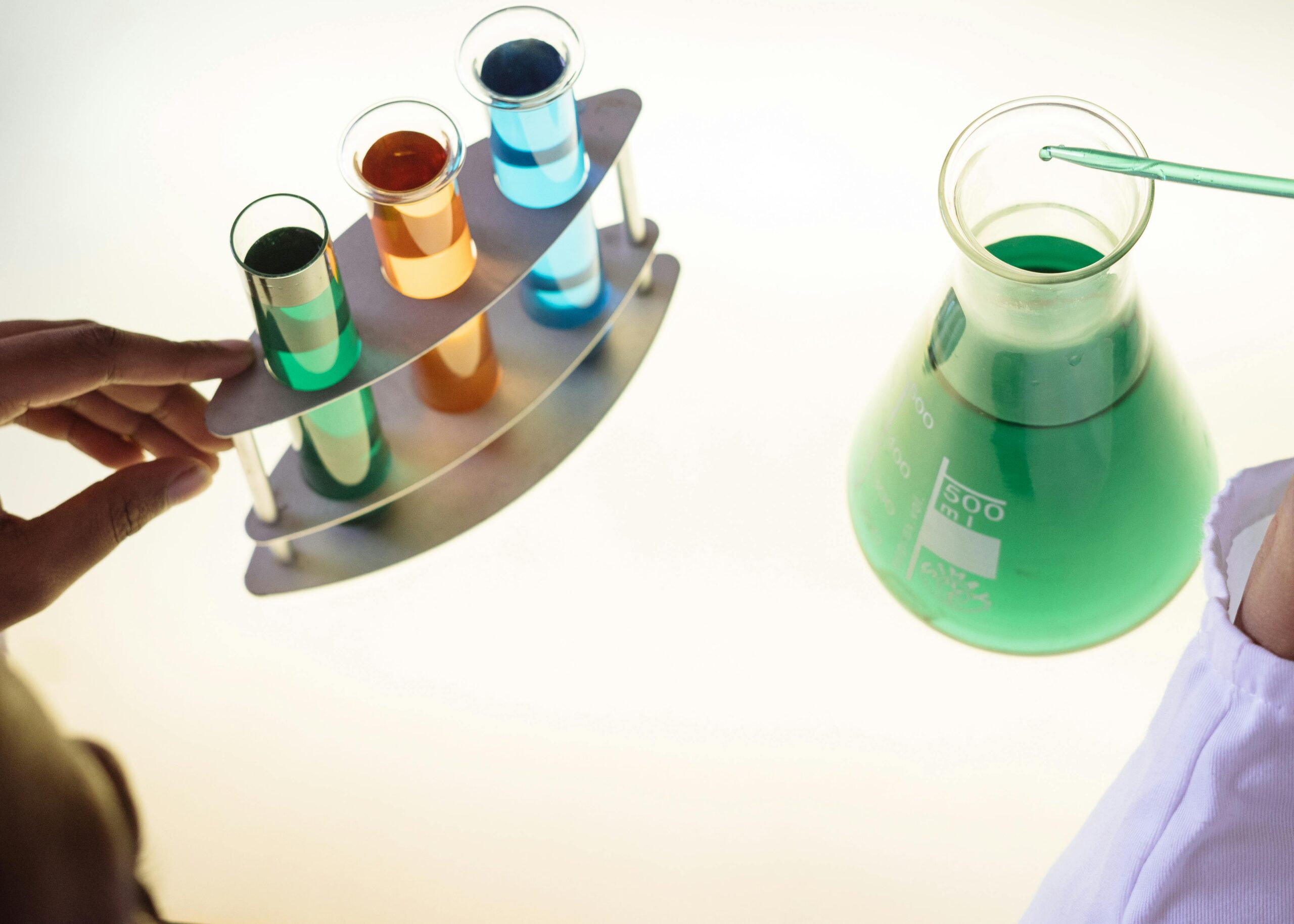
Detoxification is a two-step metabolic process; phase 1 and phase 2 reactions and take place in the liver. Phase 1 reactions cause chemicals, hormones and toxins in your body to become more reactive, allowing them to be bound to compounds during phase 2 that allow the toxins to be more easily excreted by your body. It is very important to keep both phases of detoxification in balance to prevent the buildup of phase 1 metabolites, which can make you feel sick and put undue stress on your body.
Nutrition is also a safe and powerful way to support phase-2 detox reactions and prevent the accumulation of toxic phase-1 metabolites. It is essential to include foods that support phase-2 responses in your diet and during detox I suggest aiming for 3-5 servings of the vegetables on the list below per day. A nutritious diet is essential and provides the framework for any successful detoxification program!
If you choose to supplement the cleanse with supplements or herbal remedies, it is very important that you emphasize supporting phase 2 responses. I recommend not doing this on your own but seeking advice on this to support your health goals.
The list below highlights some organic foods that best support Phase 2 liver responses:
- Kale
- pak choi
- Radish
- Turnip
- Broccoli and broccoli sprouts
- Cauliflower
- Kale
- Sprouts
- Cabbage
These vegetables all belong to the cruciferous family and they are rich in compounds called glucosinolates, which are some of the most important nutrients to support stage 2 liver detoxification. If you experience gas, it is best to consume these vegetables cooked or lightly steamed.
Garlic and onions are also great foods to add while detoxing because they are rich in sulfur, which is necessary for the body to make glutathione. Glutathione is considered an important detoxifying compound in your body and it is very important to support its production during the cleanse.
"Detoxification is a two-step metabolic process in which the liver converts toxins and supports the body in safely disposing of them."
How do you know if you need to do a detoxifying body cleanse?
Detoxification is recommended at least once a year. In the spring and/or in the fall. However, detoxing/detoxing is not recommended for mothers when breastfeeding, people with acute inflammation, taking medication, children and patients with chronic degenerative diseases, cancer or tuberculosis. If taking medication, it is important to consult your treating physician.
Today, with more toxins in the environment than ever, it is critical to detoxify for symptoms such as:
- Unexplained fatigue
- Irregular bowel movements
- Irritated skin
- Allergies
- Low-grade inflammation
- Bags under the eyes
- Bloating
- Menstrual problems
- Mental confusion
How do you start a detox/detox?
When you begin a detox, you must first reduce your toxins. In preparation 2 weeks before the detox, eliminate the use of alcohol, coffee, cigarettes, refined sugars and saturated fats, all of which act as toxins in the body and hinder the healing process. Also minimize the use of chemical-based household cleaners and personal care products (detergents, shampoos, deodorants and toothpastes) and replace them with natural alternatives.
Another barrier to good health is stress, which triggers your body to release stress hormones into your system. Although these hormones can provide the “adrenaline rush” to win a race or meet a deadline, they create toxins in large quantities and slow down detoxification enzymes in the liver. Yoga and meditation are simple and effective
ways to relieve stress.
Which detox program is right for you?
There are many detoxification programs and detoxification recipes, depending on individual needs and condition. Many programs follow a seven-day schedule because the body needs time to cleanse the blood.
Here are some detox diets:
- Fruit and vegetable detox
- Smoothie cleanse
- Juice cleaning
- Soup cleaning
- Sugar detoxification
- Hypoallergenic detoxification
Additional tips
During and after a detoxification program, you can cleanse your body daily with these nutrition and lifestyle tips:
- Eat plenty of fiber, including brown rice and organically grown fresh fruits and vegetables. Beets, radishes, artichokes, cabbage, broccoli, seaweed are excellent detoxifying foods.
- Cleanse and protect the liver by taking herbs such as dandelion root, burdock and milk thistle and drinking green tea.
- Take vitamin C, which helps the body produce glutathione, a liver compound that expels toxins.
- Drink at least two liters of purified water a day.
- Breathe deeply to allow oxygen to circulate more fully through your system.
- Transform stress by emphasizing positive emotions.
- Practice hydrotherapy by taking a very hot shower for five minutes and letting the water run down your back. Follow with cold water for 30 seconds. Do this three times and then go to bed after 30 minutes.
- Sweat in a sauna so your body can eliminate waste products through perspiration.
- Brush your skin dry or try detox foot spas/foot baths to remove toxins through your pores.
- One hour of Yoga, Qigong and/or walking every day.
My approach to spring cleaning for my clients almost always includes a healthy, whole food diet full of fiber, antioxidants and nutrients.
Fiber is important because it causes toxins to be bound and excreted from the digestive tract once they are processed by the liver. If fiber is not available to bind to the metabolized toxins, your body will reabsorb the toxins into the bloodstream or you may experience unpleasant diarrhea to eliminate them. This is not what we want and this approach can cause you to feel sicker and more lethargic than when you started your cleanse!
If you prefer a liquid detox diet rather than a food-based diet, I recommend blending your fruits and vegetables to preserve the fiber in your drink rather than removing it by squeezing. You might consider adding fiber in the form of ground flaxseed or chia seeds to your diet to supplement the fiber lost in juicing. For people with digestive problems, adrenal exhaustion and hypoglycemia, it is often nicer to choose soups with vegetables and herbs rather than raw fruits and vegetables….
If you would like personalized advice on which detoxification regimen is right for you please get in touch. This blog is for informational purposes only and is in no way intended as a substitute for tailored advice.